

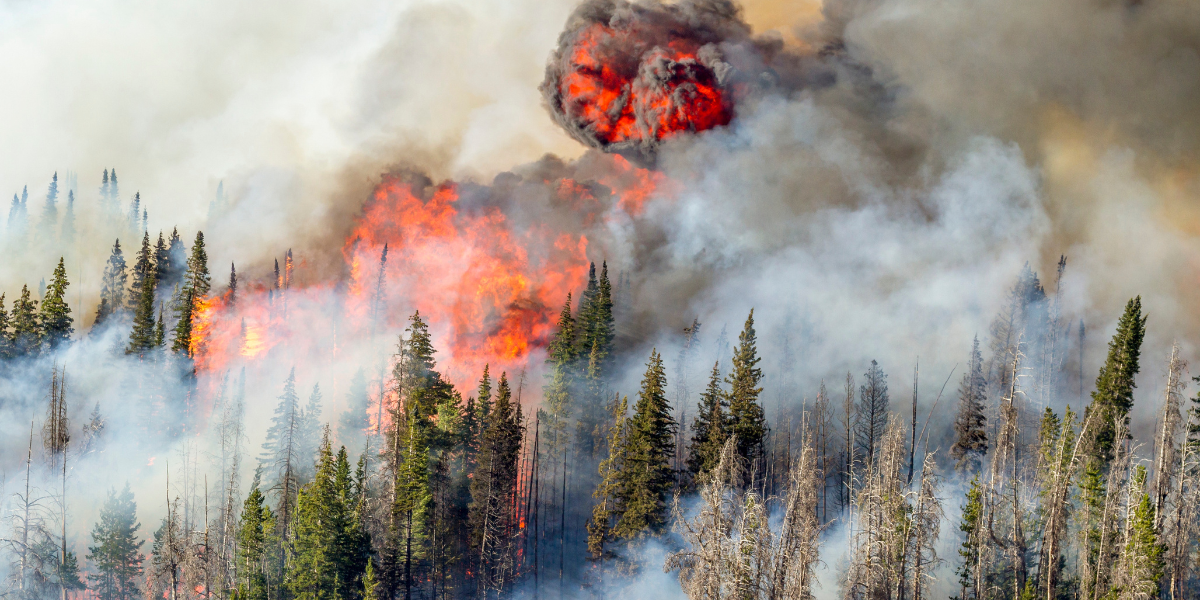
Wildfires are becoming more frequent and intense, especially during hotter, drier seasons. While the flames themselves are dangerous, one of the biggest hidden threats is wildfire smoke. Even if you’re miles away from an active fire, the smoke can travel long distances and significantly impact your health.
In this article, we’ll break down the health effects of breathing wildfire smoke, who is most at risk, and what you can do to protect yourself and your family.
Wildfire smoke is a complex mixture of gases and fine particles produced when vegetation and other materials burn. These include:
The most concerning component is PM2.5, which consists of microscopic particles small enough to enter your lungs—and even your bloodstream.
Breathing in wildfire smoke can irritate your respiratory system almost immediately. Common symptoms include:
For people with asthma or chronic lung conditions, wildfire smoke can trigger severe flare-ups or attacks.
When your lungs are exposed to smoke-filled air, they become less efficient at absorbing oxygen. This can lead to:
Cleaner air supports better oxygen intake, which is essential for energy, focus, and overall wellness.
Wildfire smoke doesn’t just affect your lungs—it can also impact your heart. Studies have shown that exposure to fine particulate matter can:
Smoke exposure often causes irritation in sensitive areas, including:
These symptoms may seem mild but can become persistent with prolonged exposure.
Repeated or prolonged exposure to wildfire smoke may contribute to:
Even healthy individuals can experience long-term effects if exposure is frequent or severe.
Certain groups are more vulnerable to the effects of wildfire smoke:
If you fall into one of these categories, taking extra precautions is essential.
Monitor your local Air Quality Index (AQI) and limit outdoor activity when levels are unhealthy.
High-efficiency particulate air (HEPA) filters can help reduce indoor smoke particles and improve air quality.
If you must go outside, consider wearing a properly fitted mask (such as an N95) to reduce inhalation of fine particles.
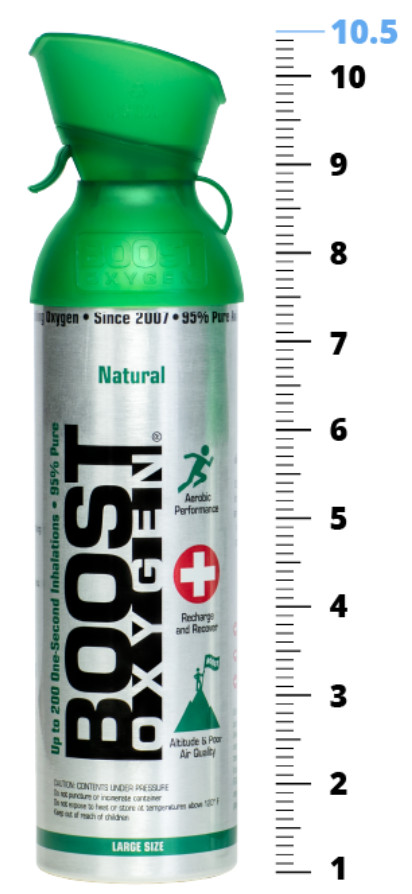
When air quality is compromised, maintaining healthy oxygen intake becomes even more important. Supplemental oxygen—like portable oxygen canisters—can help support breathing comfort in certain situations, especially during temporary exposure to poor air conditions.
Wildfire smoke is more than just an inconvenience—it’s a serious health concern that can affect nearly every system in your body. Understanding the risks and taking proactive steps can help you stay safe during wildfire season.
By protecting your lungs and supporting your body’s oxygen needs, you can reduce the impact of smoke exposure and maintain better overall well-being—even when air quality takes a hit.
The website READY.GOV has an AMAZING section about wildfire preparedness, safety and other resources. Launched in February 2003, Ready is a National public service campaign designed to educate and empower the American people to prepare for, respond to and mitigate emergencies, including natural and man-made disasters. The goal of the campaign is to promote preparedness through public involvement.
Visit ready.gov/wildfires to get all the information!
The READY.GOV wildfire section includes:
Recognize Warnings and Alerts
Making an Emergency Plan
Strengthen your Home
Know your Evacuation Zone
Gathering Supplies
Staying Safe During The Fire
Safely Returning Home After a Wildfire
In recent years, online resources and apps to track wildfires and weather became extremely important. Thankfully, there are several easy sites and apps you can use daily to keep track of wildfires, extreme weather and even poor air quality. We recommend visiting some of these websites and bookmarking them if you live in an area that is at risk for wildfires:
https://www.cnn.com/interactive/2020/weather/wildfire-and-air-quality-tracker/

Ideal for "on the go" quick trips to the grocery store or lunch with friends.
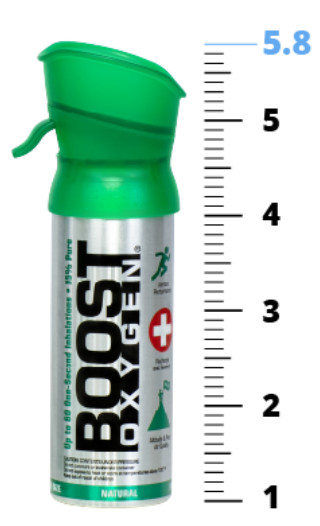
Ideal for the gym, a daily hike, outdoor exercise or a day trip.
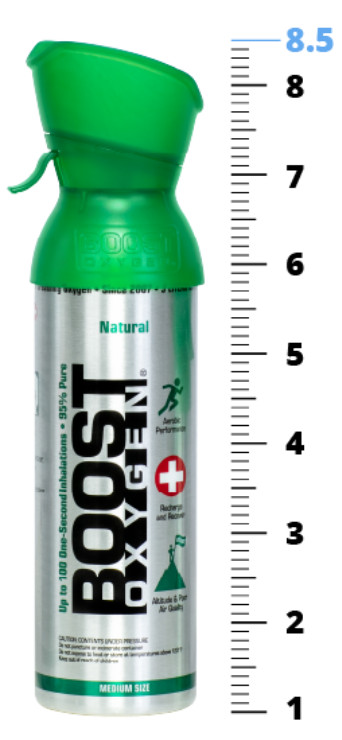
Ideal for weekly home use, camping, vacations, long trips and extended travel.