1
1



 1
1

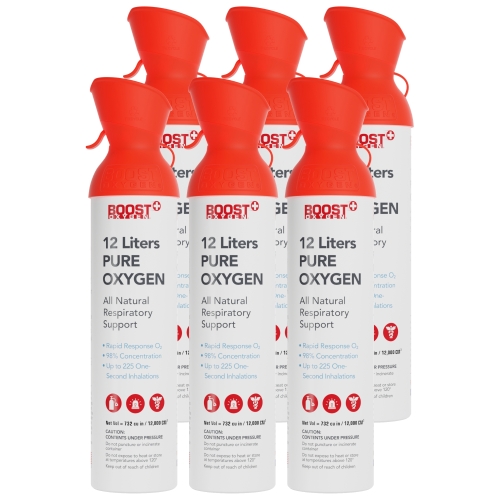
Total estimado: $43.98
Gastos de envío + impuestos calculados en el momento de la compra
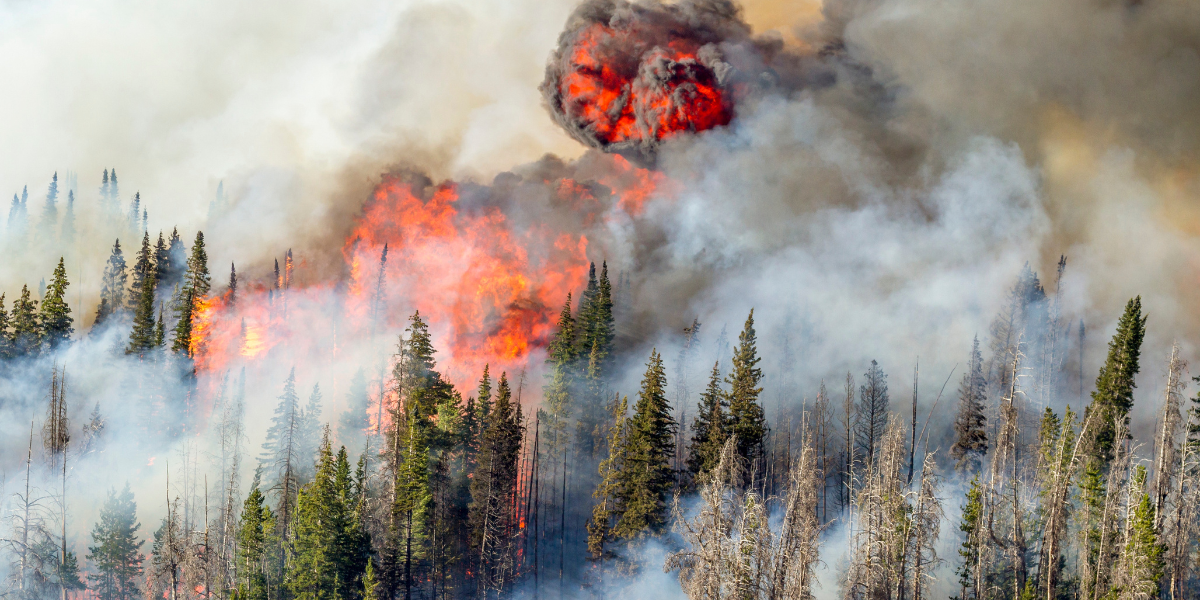
Wildfires are becoming more frequent and intense, especially during hotter, drier seasons. While the flames themselves are dangerous, one of the biggest hidden threats is wildfire smoke. Even if you’re miles away from an active fire, the smoke can travel long distances and significantly impact your health.
In this article, we’ll break down the health effects of breathing wildfire smoke, who is most at risk, and what you can do to protect yourself and your family.
Wildfire smoke is a complex mixture of gases and fine particles produced when vegetation and other materials burn. These include:
The most concerning component is PM2.5, which consists of microscopic particles small enough to enter your lungs—and even your bloodstream.
Breathing in wildfire smoke can irritate your respiratory system almost immediately. Common symptoms include:
For people with asthma or chronic lung conditions, wildfire smoke can trigger severe flare-ups or attacks.
When your lungs are exposed to smoke-filled air, they become less efficient at absorbing oxygen. This can lead to:
Cleaner air supports better oxygen intake, which is essential for energy, focus, and overall wellness.
Wildfire smoke doesn’t just affect your lungs—it can also impact your heart. Studies have shown that exposure to fine particulate matter can:
Smoke exposure often causes irritation in sensitive areas, including:
These symptoms may seem mild but can become persistent with prolonged exposure.
Repeated or prolonged exposure to wildfire smoke may contribute to:
Even healthy individuals can experience long-term effects if exposure is frequent or severe.
Certain groups are more vulnerable to the effects of wildfire smoke:
If you fall into one of these categories, taking extra precautions is essential.
Monitor your local Air Quality Index (AQI) and limit outdoor activity when levels are unhealthy.
High-efficiency particulate air (HEPA) filters can help reduce indoor smoke particles and improve air quality.
If you must go outside, consider wearing a properly fitted mask (such as an N95) to reduce inhalation of fine particles.
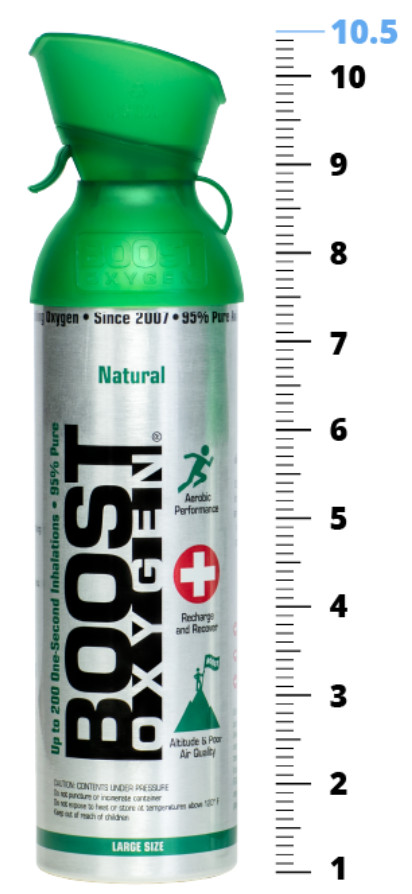
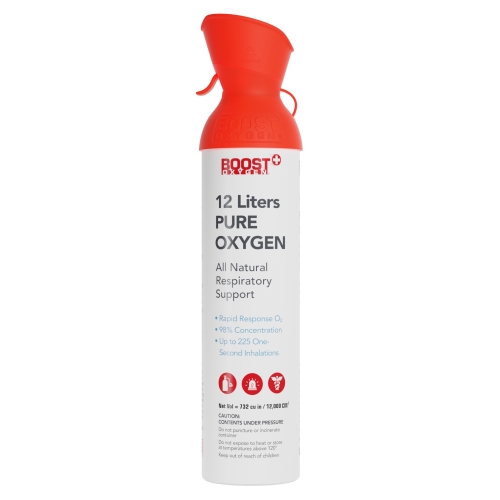
When air quality is compromised, maintaining healthy oxygen intake becomes even more important. Supplemental oxygen—like portable oxygen canisters—can help support breathing comfort in certain situations, especially during temporary exposure to poor air conditions.
Wildfire smoke is more than just an inconvenience—it’s a serious health concern that can affect nearly every system in your body. Understanding the risks and taking proactive steps can help you stay safe during wildfire season.
By protecting your lungs and supporting your body’s oxygen needs, you can reduce the impact of smoke exposure and maintain better overall well-being—even when air quality takes a hit.
El sitio web READY.GOV tiene una sección INCREÍBLE sobre preparación, seguridad y otros recursos en caso de incendio forestal. Lanzada en febrero de 2003, Ready es una campaña nacional de servicio público diseñada para educar y capacitar al pueblo estadounidense para prepararse, responder y mitigar las emergencias, incluidas las catástrofes naturales y las provocadas por el hombre. El objetivo de la campaña es promover la preparación mediante la participación pública.
Visite ready.gov/wildfires para obtener toda la información.
La sección de incendios forestales de READY.GOV incluye:
Reconocer avisos y alertas
Elaborar un plan de emergencia
Refuerce su hogar
Conozca su zona de evacuación
Reunir suministros
Mantenerse a salvo durante el incendio
Regreso seguro a casa tras un incendio forestal
En los últimos años, los recursos y aplicaciones en línea para hacer un seguimiento de los incendios forestales y las condiciones meteorológicas se han vuelto extremadamente importantes. Por suerte, hay varios sitios y aplicaciones fáciles de usar a diario para estar al tanto de los incendios forestales, las condiciones meteorológicas extremas e incluso la mala calidad del aire. Le recomendamos que visite algunos de estos sitios web y los marque si vive en una zona con riesgo de incendios forestales:
https://www.cnn.com/interactive/2020/weather/wildfire-and-air-quality-tracker/

Ideal para viajes rápidos al supermercado o comidas con amigos.
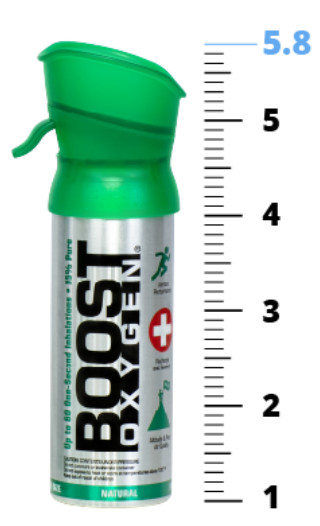
Ideal para el gimnasio, una caminata diaria, ejercicio al aire libre o una excursión de un día.
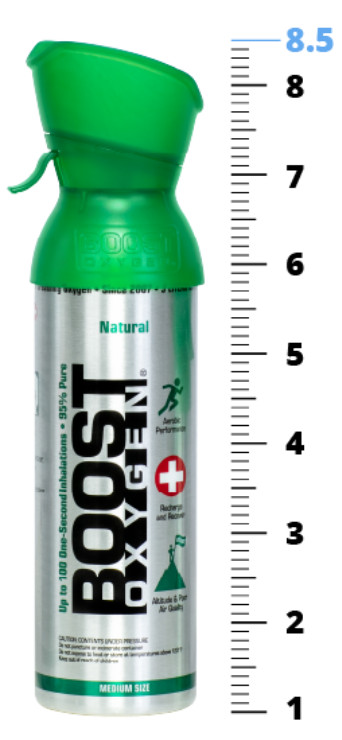
Ideal para uso doméstico semanal, acampadas, vacaciones, viajes largos y desplazamientos prolongados.