




Summer is often associated with sunshine, outdoor activity, and fresh air—but for many people, it can actually make breathing problems worse. Whether you’re dealing with shortness of breath, low energy, or general respiratory discomfort, hot weather can put extra strain on your body.
Understanding why this happens—and what you can do about it—can help you stay active, comfortable, and breathing better all summer long.
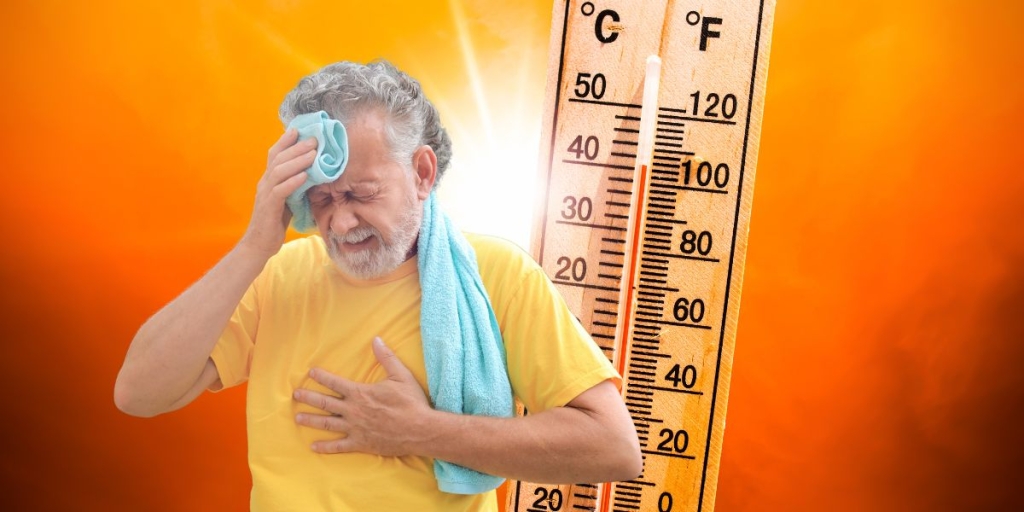
Hot, humid air is heavier and harder to breathe. When humidity levels rise, the air holds more moisture, which can make it feel thick and dense. This can reduce how efficiently oxygen moves into your lungs.
Additionally, heat often contributes to higher levels of air pollution and ground-level ozone, which can irritate your airways and make breathing feel more difficult.
When temperatures rise, your body works harder to stay cool. This includes:
All of these processes require more oxygen. As a result, you may feel more winded during normal daily activities—especially outdoors.
Dehydration is common in the summer and can impact how well oxygen circulates throughout your body. When you’re dehydrated:
This can lead to fatigue, dizziness, and shortness of breath.
Pollen, smog, wildfire smoke, and other airborne irritants are often more prevalent during summer months. These can inflame your respiratory system and make it harder to breathe comfortably—especially for those already sensitive to air quality.
While anyone can feel the effects of summer breathing challenges, certain groups are more likely to notice symptoms:
Pay attention to these common signs, especially during hot weather:
Drink plenty of water throughout the day to support circulation and oxygen delivery.
Try to limit outdoor activity during the hottest parts of the day (typically between 11 AM and 4 PM).
Check local air quality levels and avoid outdoor activity when pollution or smoke levels are high.
If you’re exercising, hiking, or working outdoors, take frequent breaks to allow your body to recover.
When your body is working harder in the heat, having access to supplemental oxygen may help support:
Portable oxygen options like Boost Oxygen can be a convenient way to help you feel refreshed when you need it most—whether you’re outdoors, exercising, or simply trying to stay comfortable in the heat.
Summer should be a time to enjoy the outdoors—not struggle to catch your breath. By understanding how heat, humidity, and air quality affect your body, you can take simple steps to stay ahead of breathing challenges.
Staying hydrated, pacing your activity, and supporting your oxygen intake can make a noticeable difference in how you feel—helping you stay active, energized, and breathing better all season long.

Ideal for "on the go" quick trips to the grocery store or lunch with friends.

Ideal for the gym, a daily hike, outdoor exercise or a day trip.

Ideal for weekly home use, camping, vacations, long trips and extended travel.


