

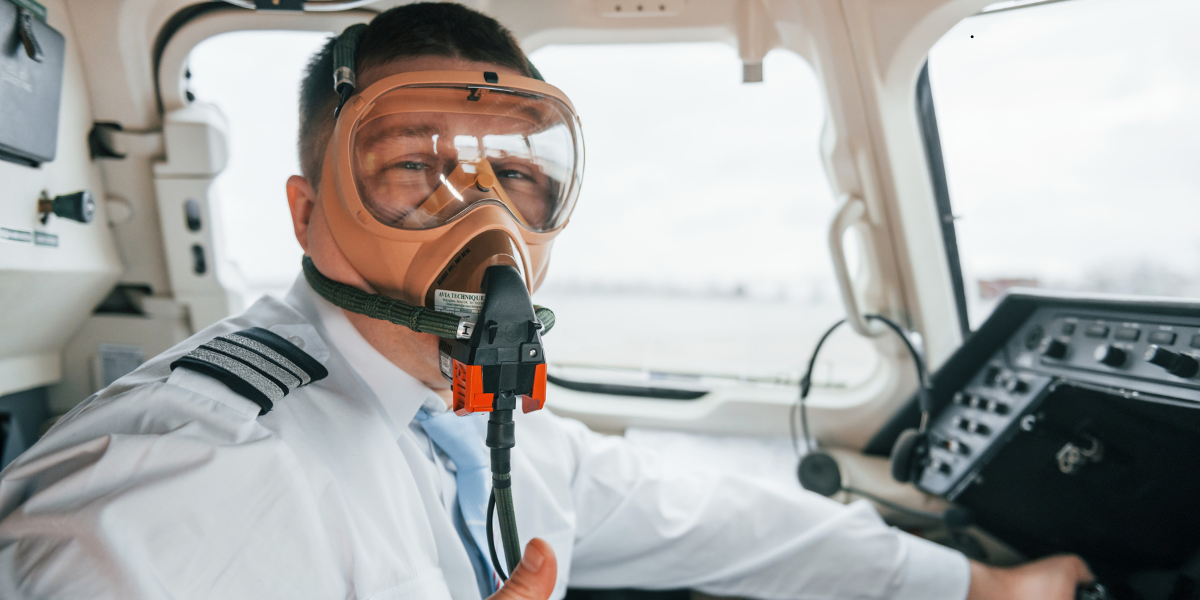
Commercial airline pilots operate in one of the most demanding environments on Earth—high above the ground where oxygen levels are significantly lower. While modern aircraft are equipped with pressurized cabins, there are still critical reasons why pilots rely on supplemental oxygen to maintain safety, sharp cognitive function, and overall performance.
At cruising altitudes—typically between 30,000 and 40,000 feet—the air is much thinner than at sea level. This means there is less oxygen available for the body to absorb.
This condition is tied to a scientific concept known as Hypoxia—a state where the body or brain does not receive enough oxygen to function properly.
Even though cabins are pressurized, they are usually maintained at the equivalent of 6,000 to 8,000 feet above sea level, not sea-level conditions. For most passengers, this is tolerable. But for pilots—who must remain alert and responsive—this reduced oxygen level can still have subtle effects.
Hypoxia can impair judgment, slow reaction time, and reduce situational awareness—all of which are critical for pilots.
Supplemental oxygen can help:
Even mild hypoxia can be dangerous in aviation, making oxygen support a key safety measure.
If an aircraft experiences sudden cabin depressurization, oxygen levels can drop dramatically within seconds. Pilots must react immediately.
In these situations, pilots use quick-donning oxygen masks connected to onboard oxygen systems to:
This rapid response is essential to prevent catastrophic outcomes.
Aviation authorities like the Federal Aviation Administration (FAA) require pilots to use supplemental oxygen under certain conditions.
For example:
These regulations are designed to minimize the risks associated with reduced oxygen availability.
Long-haul flights can last 8–15 hours or more. Even in pressurized cabins, prolonged exposure to slightly reduced oxygen levels can contribute to fatigue.
Supplemental oxygen can help pilots:
This is especially important for international flights where sustained concentration is critical.
Oxygen is essential for every cell in the body. At altitude, even small decreases in oxygen saturation can impact:
By using supplemental oxygen, pilots ensure their bodies and brains are operating at optimal levels throughout the flight.
Supplemental oxygen isn’t just a backup—it’s a vital safety tool that helps airline pilots maintain peak performance in a challenging high-altitude environment.
.Whether flying across continents or navigating unexpected situations, pilots rely on oxygen to stay sharp, responsive, and in control—helping ensure that every flight reaches its destination safely.
But don’t just take it from us – hear it from an actual pilot from our aviation friends at Sporty’s Pilot Shops. Sporty’s Doug Ranly shares three of his favorite pilot hacks for night flights, from headlamps to oxygen.

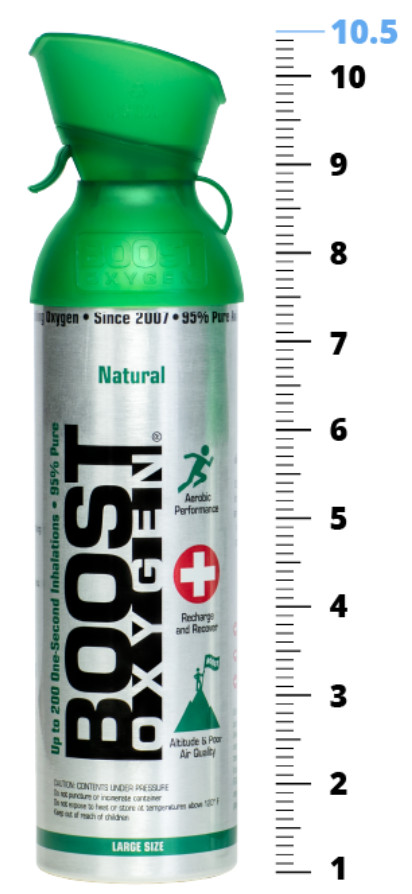
Ideal for "on the go" quick trips to the grocery store or lunch with friends.
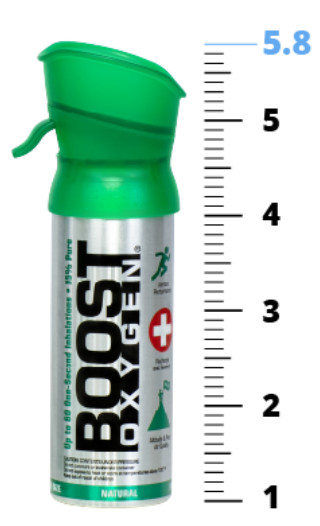
Ideal for the gym, a daily hike, outdoor exercise or a day trip.
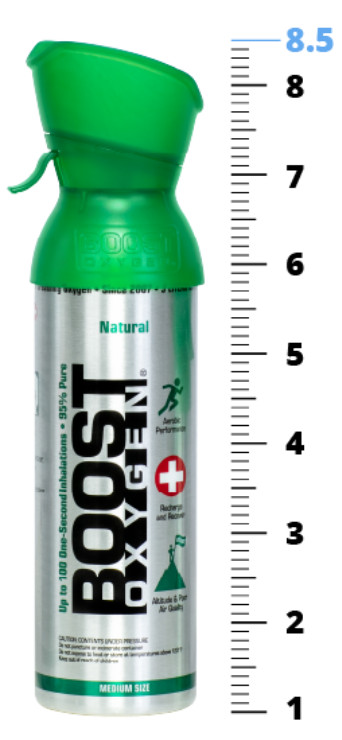
Ideal for weekly home use, camping, vacations, long trips and extended travel.