

We’re often asked to show proof that supplemental oxygen can help raise oxygen levels during altitude acclimation for visitors to Colorado and the Rocky Mountain region. Here’s a video from Boost Oxygen owner and CEO Rob Neuner after he arrived in Colorado and used Boost Oxygen supplemental oxygen along with a pulse oximeter to measure his oxygen levels:
Traveling to high-altitude destinations can be an unforgettable experience, but the thinner air can leave many visitors feeling tired, short of breath, and uncomfortable. Whether you’re skiing, hiking, sightseeing, or working in the mountains, altitude acclimation takes time. Supplemental oxygen may help you feel better faster while your body adjusts to the reduced oxygen levels found at higher elevations.
As elevation increases, air pressure decreases, making it harder for your body to absorb the oxygen it needs. This can lead to common symptoms associated with altitude adjustment, including:
Many travelers begin noticing these effects at elevations above 5,000 feet, with symptoms often becoming more noticeable at higher altitudes.
Altitude acclimation is the process your body uses to adapt to lower oxygen availability. During this adjustment period, your body gradually increases breathing rate and makes other physiological changes to improve oxygen delivery throughout the body.
While acclimation can take several days, many visitors only have a short vacation or weekend trip and want to enjoy their activities right away.
Supplemental oxygen provides a higher concentration of oxygen than the surrounding air. During altitude acclimation, this additional oxygen may help support normal oxygen intake and temporarily relieve feelings of breathlessness and fatigue associated with high elevations.
Many people use supplemental oxygen to:
Supplemental oxygen is commonly used by:
Because portable oxygen can be used almost anywhere, it provides a convenient option for people looking to stay active while their bodies acclimate.
In addition to using supplemental oxygen, consider these best practices:
Altitude acclimation is a natural process, but it doesn’t have to interfere with your trip. Supplemental oxygen can be a useful tool for travelers, athletes, and outdoor enthusiasts who want to feel better faster while adjusting to high-altitude environments. By supporting oxygen intake during the acclimation process, portable supplemental oxygen can help you spend less time feeling the effects of elevation and more time enjoying your adventure.

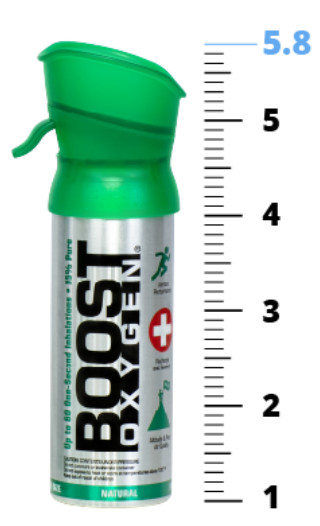
Ideal for "on the go" quick trips to the grocery store or lunch with friends.
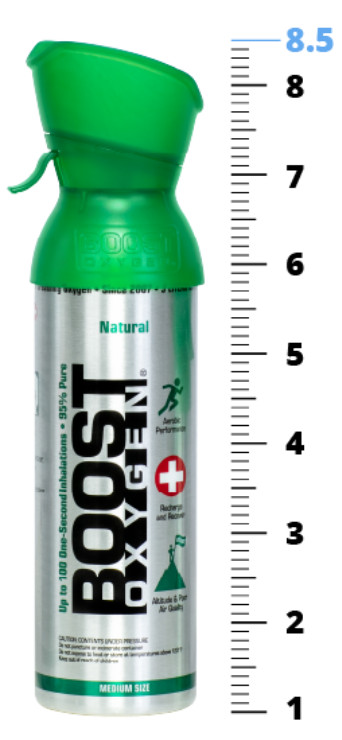
Ideal for the gym, a daily hike, outdoor exercise or a day trip.
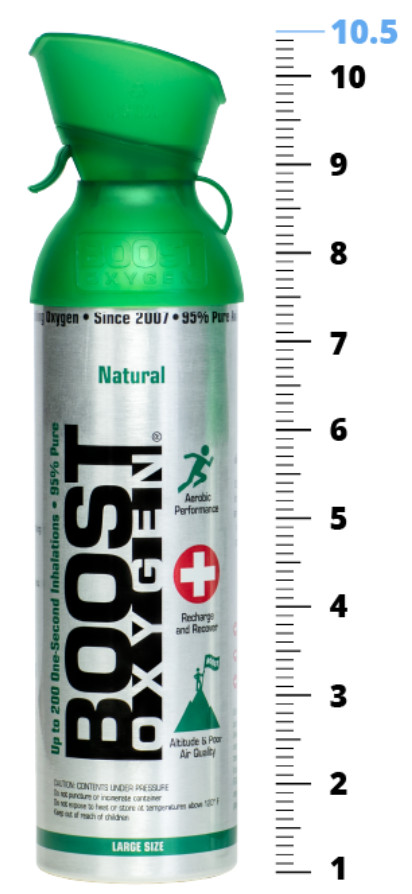
Ideal for weekly home use, camping, vacations, long trips and extended travel.