




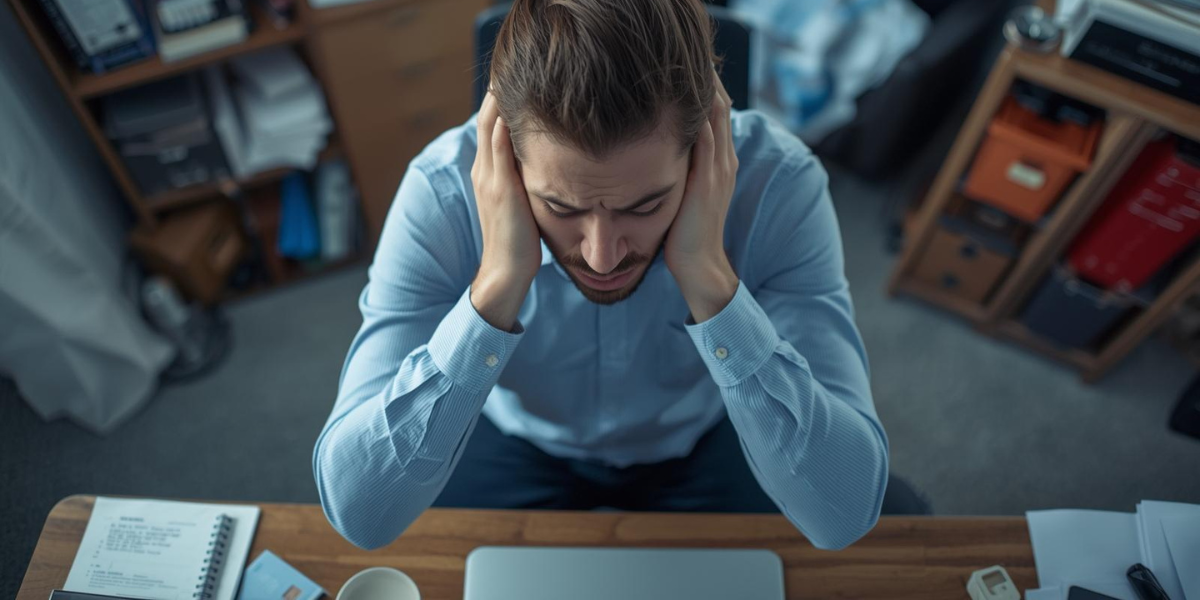
Feeling a mid-day slump or struggling to stay energized is a common experience. Many people also notice that low energy can sometimes coincide with light breathlessness, especially during busy days, long periods of sitting, or stressful moments. These experiences often have simple explanations tied to routine habits, environment, and daily demands. Exploring the relationship between lack of energy and shortness of breath can empower individuals to adopt small changes that support oxygen intake, focus, and endurance. As a leader in portable supplemental oxygen wellness, Boost Oxygen shares insights into daily factors that may influence how energized and balanced the body feels.
Long periods of sitting, whether at a desk, in a meeting, or while driving, can reduce circulation and limit natural oxygen flow. Over time, this may contribute to sluggish thinking, lower motivation, and feelings associated with a lack of energy. Incorporating brief movement breaks helps stimulate blood flow and increases oxygen delivery throughout the body. Even short walks or stretches can provide an instant boost in clarity and help reduce tension that may make breathing feel shallow or restricted.
Slouching or leaning forward compresses the lungs and diaphragm, reducing space for full, deep breaths. This can make breathing feel less efficient and may contribute to low energy due to reduced oxygen intake. Practicing upright posture, opening the chest, and taking intentional deep breaths throughout the day can help improve airflow. These small adjustments often lead to better concentration and a more energized, balanced feeling.
Hydration plays a vital role in maintaining steady energy because it supports circulation and oxygen transport. Dehydration can negatively affect physical and cognitive performance, leading to low energy and fatigue. Balanced meals rich in iron, magnesium, and B vitamins also help support consistent energy levels. Eating whole foods, leafy greens, legumes, fruits, and proteins, nourishes the body and helps prevent midday slumps.
Stress encourages shallow breathing, which limits the amount of oxygen entering the lungs. Over time, this may lead to sensations related to low energy, tension, or light breathlessness. Breathing exercises such as slow nasal inhales, extended exhales, or box breathing can help restore calm and improve clarity. These breathing habits increase oxygen flow, promote relaxation, and support a more energized state during demanding moments.
Indoor environments, especially offices, gyms, classrooms, and homes, can vary widely in air circulation and oxygen availability. Stale or poorly ventilated rooms may contribute to feelings of tiredness or difficulty concentrating. Opening windows, adding plants, stepping outside for fresh air, or using a fan to improve airflow can make a noticeable difference in how energized and clear-headed the body feels throughout the day.
In moments when energy feels low, some individuals turn to portable supplemental oxygen for a quick, stimulant-free boost. Supplemental oxygen can provide immediate clarity and refreshed alertness, especially during periods of mental fatigue, travel, or long work sessions. Products available in the Boost Oxygen Store offer pure supplemental oxygen and can help with healthy energy without caffeine or sugar. It is frequently used by wellness enthusiasts, athletes, and professionals seeking a clean and convenient option for renewed focus.
Small daily practices can help reduce episodes of lack of energy and shortness of breath. Consider:
These simple adjustments help support steady energy, better breathing patterns, and improved daily performance.
Experiencing lack of energy and shortness of breath can often be influenced by routine habits, posture, movement, hydration, and environmental factors. By making small adjustments, improving airflow, supporting hydration and nutrition, practicing mindful breathing, and moving regularly, many people experience more natural energy and clearer focus throughout the day. Additionally, portable oxygen can offer convenient support during moments of fatigue or mental fog. For individuals interested in exploring oxygen-based wellness tools, Boost Oxygen offers guidance and resources for maintaining respiratory support and daily performance.
What daily habits can reduce low energy and shallow breathing?
Movement breaks, hydration, fresh air, and improved posture all support better oxygen flow and increased vitality.
Can breathing techniques help improve energy?
Yes. Slow, deep breathing increases oxygen intake and can help restore alertness during low-energy moments.
Is portable oxygen helpful for staying energized?
Many people use supplemental oxygen as a stimulant-free option to support focus and mental clarity.

Ideal for "on the go" quick trips to the grocery store or lunch with friends.

Ideal for the gym, a daily hike, outdoor exercise or a day trip.

Ideal for weekly home use, camping, vacations, long trips and extended travel.


