

During the summer months, many people notice it becomes harder to breathe comfortably—especially on hot, humid days. But why is air quality worse in the summer, and what can you do about it?
From rising ozone levels to increased pollution, summer conditions can significantly impact the air you breathe. For older adults, outdoor workers, athletes, and anyone with respiratory concerns, understanding these changes is key to protecting your health and energy levels.
Think of the atmosphere like a giant oven. During the summer, heat and sunlight trigger chemical reactions that “cook” pollutants in the air—leading to poor air quality.
Here’s what’s happening:
This combination creates what experts often call a “chemical soup” of ozone, pollen, mold, and other airborne irritants.
While ozone high in the atmosphere protects us from harmful UV rays, ground-level ozone is a toxic gas that can irritate the lungs and make breathing more difficult.
The air we breathe contains about 21% oxygen, which your body relies on for:
When air quality declines, your body has to work harder to get the oxygen it needs. This can leave you feeling:
Over time, poor air quality may also contribute to respiratory irritation or illness—especially in sensitive individuals.
Air quality is tracked using the Air Quality Index (AQI), developed by the Environmental Protection Agency.
The AQI measures pollutants such as:
The higher the AQI, the greater the health risk—especially during hot summer days when ozone levels spike.
Breathing polluted air can affect almost anyone, not just those with existing conditions.
Common symptoms include:
People with asthma, COPD, or other respiratory issues may experience more severe symptoms.
According to the American Lung Association, some regions consistently rank among the worst for air pollution.
These often include:
Urban areas with heavy traffic, industrial activity, and warm climates tend to experience the highest pollution levels during summer.
While you can’t control outdoor air quality, you can take steps to reduce exposure and support your breathing.
When poor air quality leaves you feeling run down or short of breath, supplemental oxygen can help support your body’s oxygen needs—especially during:
It can be a convenient option for maintaining energy and helping you feel more comfortable when air quality isn’t ideal.
Si tiene problemas respiratorios por la mala calidad del aire en verano, intente planificar sus actividades diarias al aire libre por la mañana o por la tarde, cuando el calor y la humedad suelen ser más bajos. También puede planificar con antelación utilizando un recurso en línea para comprobar la calidad del aire en su zona. Un buen recurso es AIRNOW.gov, un sitio web gestionado por la EPA que proporciona información actualizada diariamente y fácil de entender sobre la calidad del aire en su zona, incluida la calidad del aire actual, previsiones y anuncios importantes sobre la calidad del aire.
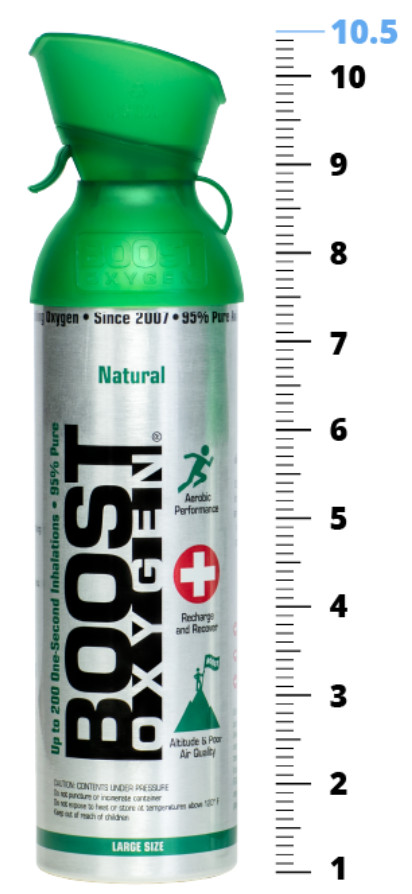
Además, también puede combatir los síntomas de la mala calidad del aire utilizando oxígeno suplementario portátil como Boost Oxygen. Boost Oxygen es oxígeno puro en botes asequibles y cómodos. Es "oxígeno para llevar" portátil para recuperarse de la falta de aire en el calor y la humedad del aire estancado y a veces contaminado. Boost Oxygen es perfecto para lugares o actividades en los que pueda necesitar oxígeno puro, como la playa, el camping, ejercicio como correr al aire libre, senderismo o ciclismo y deportes como baloncesto y tenis.

Ideal para viajes rápidos al supermercado o comidas con amigos.
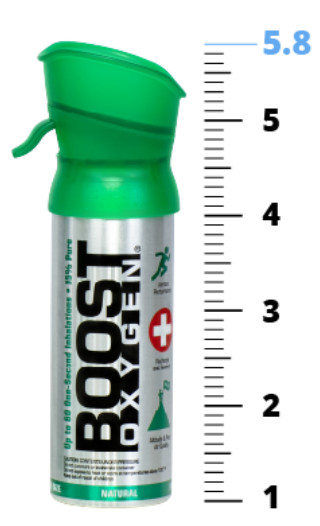
Ideal para el gimnasio, una caminata diaria, ejercicio al aire libre o una excursión de un día.
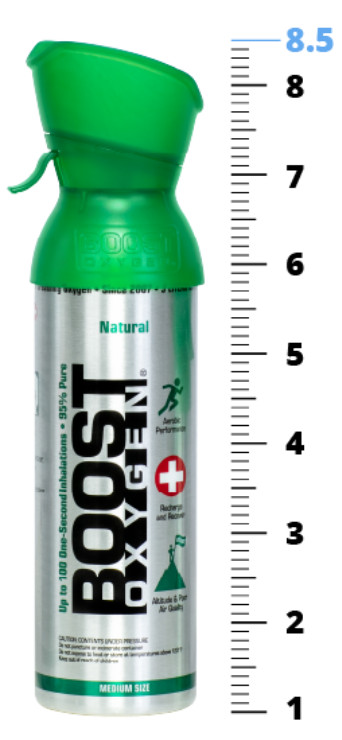
Ideal para uso doméstico semanal, acampadas, vacaciones, viajes largos y desplazamientos prolongados.