
 1
1



 1
1

Total estimado: $19.99
Gastos de envío + impuestos calculados en el momento de la compra
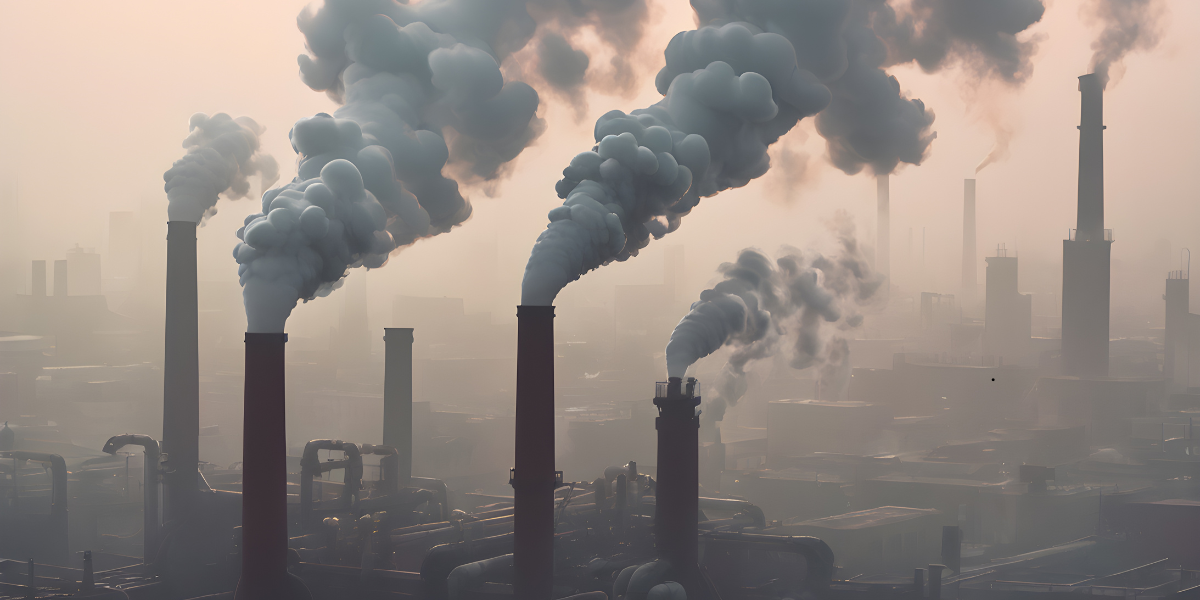
Outdoor air pollution is an invisible but serious health concern affecting millions of people every day. While many people think of smoggy cities when they hear the phrase poor air quality, the truth is that unhealthy outdoor air can be found in many environments—including airports, construction zones, traffic-heavy roads, wildfire regions, and industrial areas.
According to public health research, poor outdoor air quality can expose people to harmful pollutants such as particulate matter (PM2.5 and PM10), nitrogen dioxide (NO₂), ozone, carbon monoxide, volatile organic compounds (VOCs), and other airborne irritants that may negatively affect respiratory health.
If you spend time in any of the environments below, understanding the risks can help you make smarter choices for protecting your lungs.
Large metropolitan cities are often hotspots for poor air quality due to vehicle emissions, industrial activity, heating systems, and population density.
Smog can irritate the lungs, reduce visibility, and worsen breathing discomfort—especially during hot weather.
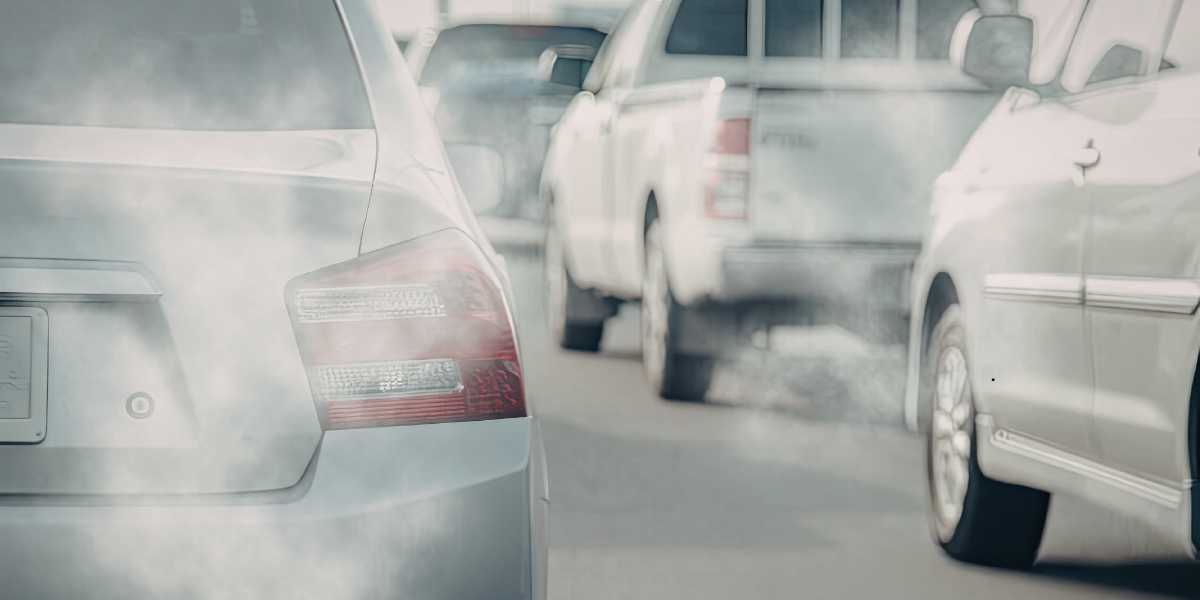
Busy roads may be one of the most common sources of poor outdoor air quality.
Cars, trucks, buses, and delivery vehicles emit exhaust containing:
People walking, cycling, jogging, or working near major roadways may inhale elevated pollution concentrations.

Airports can be surprisingly polluted outdoor environments.
Jet engines, ground support vehicles, shuttle buses, fuel handling equipment, and idling traffic all contribute to local air pollution.
Airport workers and frequent travelers may experience repeated exposure.

Construction activity can significantly degrade outdoor air quality.
Dust from demolition, excavation, cutting, and heavy machinery releases airborne particles.
Dust and exhaust can trigger coughing, throat irritation, and breathing discomfort.
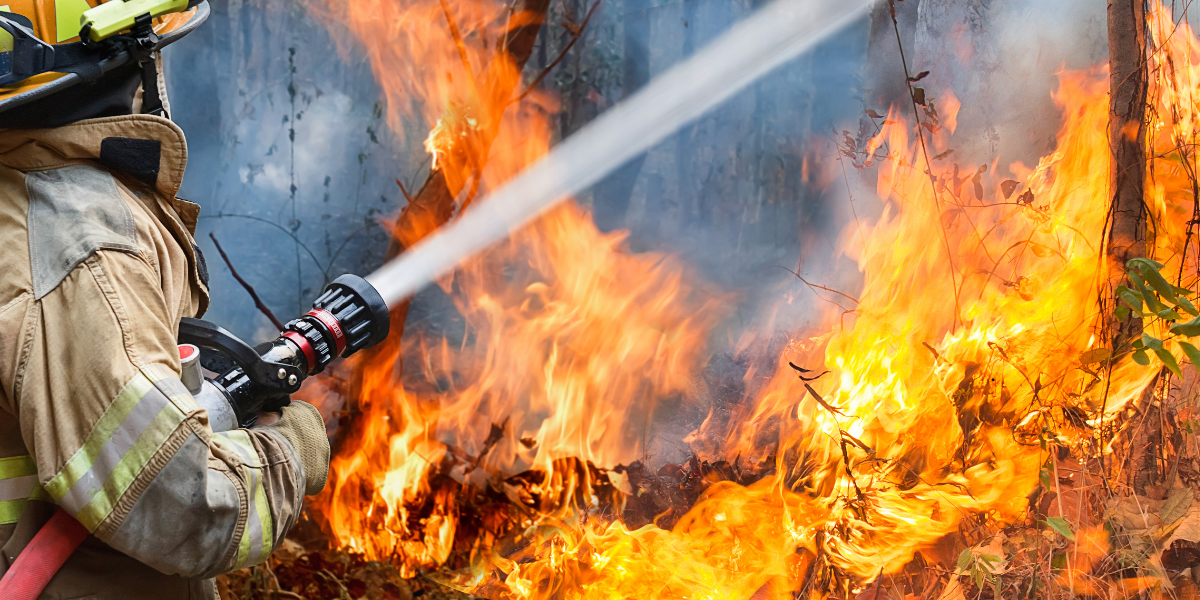
Wildfires create some of the most dangerous short-term outdoor air pollution conditions.
Smoke can travel hundreds or even thousands of miles.
Wildfire smoke may make breathing feel noticeably harder, even in healthy individuals.
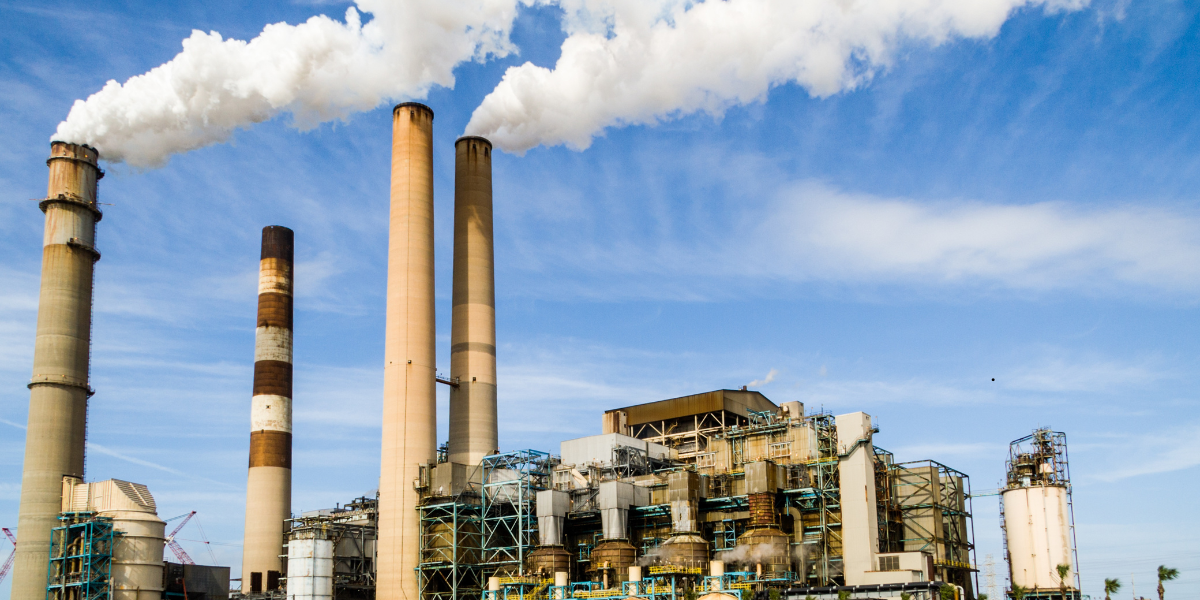
Power plants and heavy industrial facilities can contribute to local air pollution depending on fuel source, controls, and wind conditions.
Long-term exposure to industrial emissions can impact respiratory comfort and overall air quality.
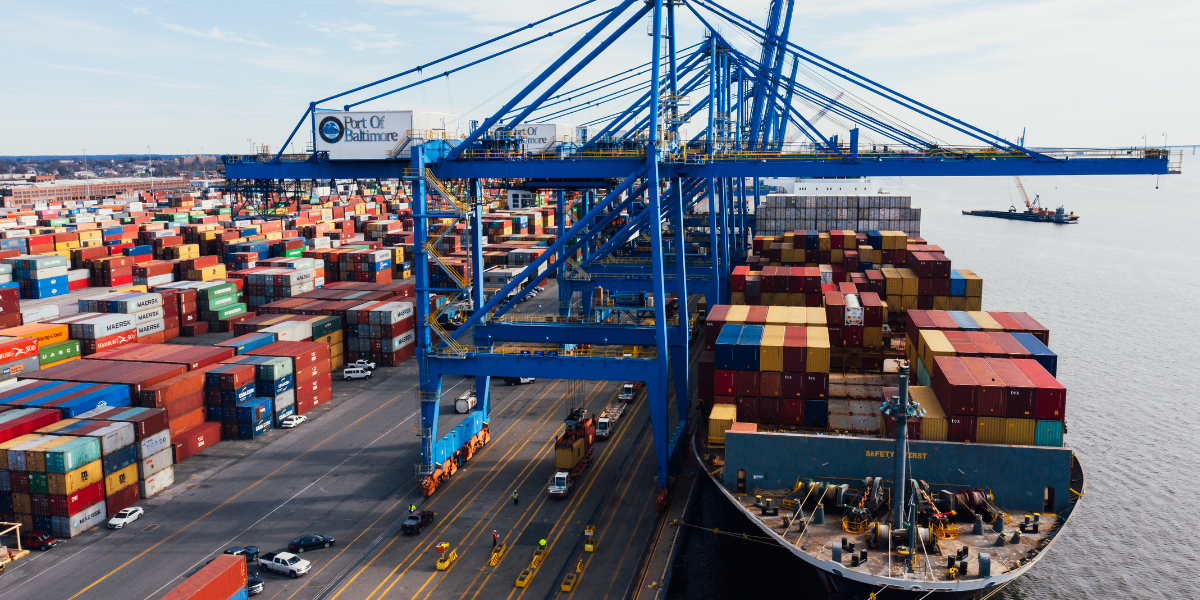
Shipping operations often combine diesel trucks, cargo equipment, locomotives, and ships in one concentrated area.
These environments can have persistent diesel pollution.

Large crowds and vehicle congestion can temporarily worsen local outdoor air quality.
Tailgating traffic, idling vehicles, food vendors, and generators may contribute.
Air quality may temporarily decline during major events.
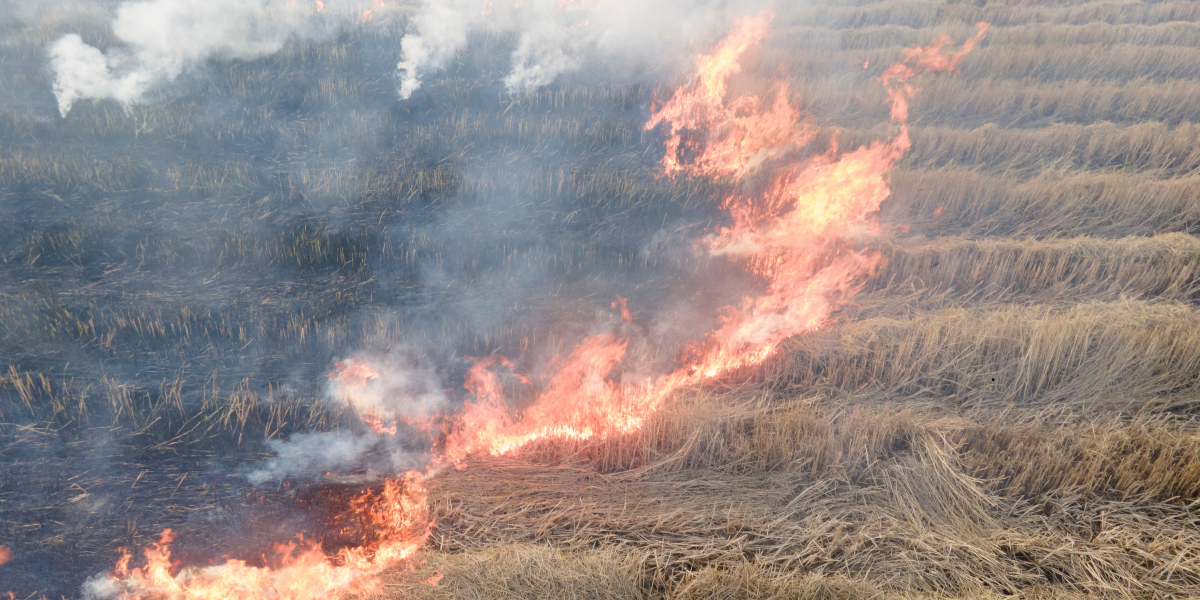
Poor outdoor air quality is not only a city problem.
Crop burning, dust, pesticide drift, and agricultural machinery can degrade air in rural areas.
Rural residents may still face significant breathing irritants.
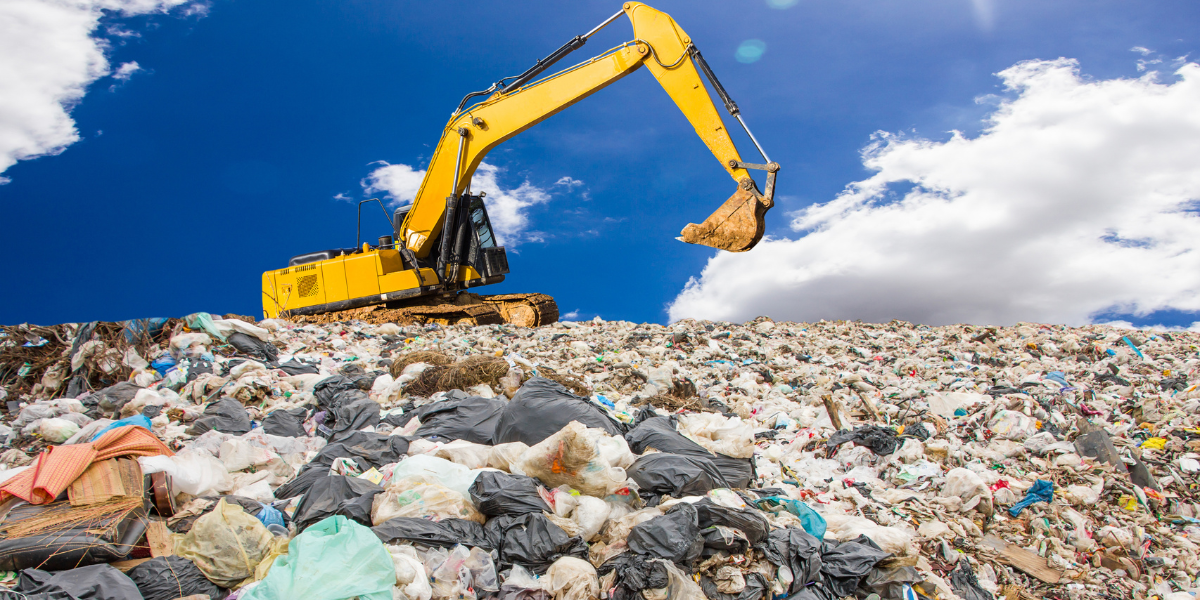
Waste handling operations may release odors, smoke, dust, and airborne contaminants.
Air quality can fluctuate depending on weather and operations.
Watch for:
If you must be outdoors in polluted environments:
✅ Check local AQI reports before outdoor activity
✅ Avoid peak traffic hours
✅ Stay farther from idling vehicles
✅ Limit strenuous exercise in smoky conditions
✅ Use protective respiratory gear when appropriate
✅ Move indoors when pollution spikes
✅ Hydrate and support easier breathing
When poor air quality makes breathing feel uncomfortable, some people look for supportive tools that may help them feel refreshed.
Portable supplemental oxygen products like Boost Oxygen provide supplemental oxygen for temporary use and convenience in certain situations such as travel, altitude changes, temporary oxygen insufficiency or moments when you want extra oxygen support.
Poor outdoor air quality can show up in many places—not just smoggy cities. Airports, highways, wildfire zones, industrial sites, construction areas, and freight hubs can all expose people to airborne irritants.
Understanding where outdoor air pollution is most likely can help you plan ahead, reduce exposure, and protect your respiratory wellness.

Ideal para viajes rápidos al supermercado o comidas con amigos.

Ideal para el gimnasio, una caminata diaria, ejercicio al aire libre o una excursión de un día.

Ideal para uso doméstico semanal, acampadas, vacaciones, viajes largos y desplazamientos prolongados.


