

Simple, Low-Impact Ways to Improve Lung Function and Breathe Better
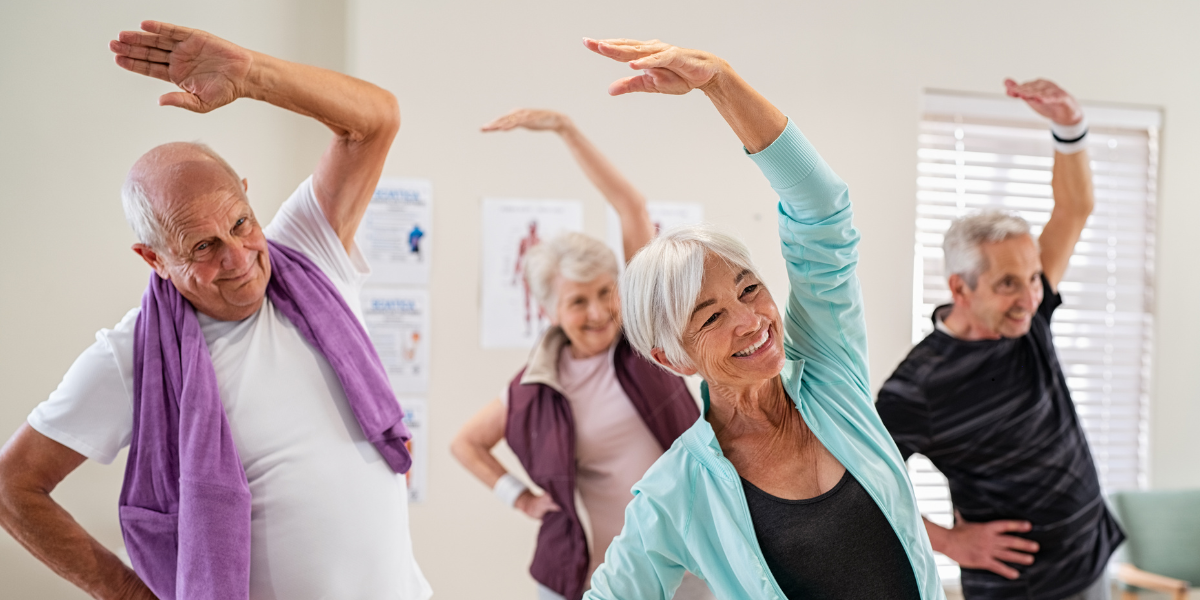
If you experience shortness of breath, reduced stamina, or breathing difficulties from everyday activities, exercise may feel intimidating. But the right kind of movement can actually help strengthen your respiratory muscles, improve temporary oxygen insufficiency, increase endurance, and make everyday tasks easier.
Low-impact exercise is often recommended for people who have mild breathing challenges, reduced lung capacity, seasonal respiratory irritation, or simply want to improve their overall breathing fitness. As always, if you have a diagnosed respiratory condition, check with your healthcare provider before starting a new exercise program.
Here are five easy exercises that may help support better breathing and overall wellness.
Walking is one of the easiest and most effective exercises for people with breathing problems. It’s low-impact, requires no equipment, and helps gradually improve cardiovascular endurance and oxygen efficiency.
Begin with:
Pro Tip: If walking outdoors during allergy season or poor air quality days, indoor walking or treadmill sessions may be easier on your lungs.
Chair-based exercises allow you to stay active without putting excessive strain on your breathing. These movements are ideal for beginners, older adults, or anyone recovering from illness or fatigue.
These simple movements:
Even 10–15 minutes can make a difference.
Yoga combines movement, posture, and breath awareness—making it particularly useful for people who want to improve breathing control.
Gentle yoga styles such as restorative yoga, beginner yoga, or chair yoga can be especially helpful.
Move slowly and never push into discomfort.
A stationary bike provides controlled cardiovascular exercise without the impact of jogging or more intense workouts.
Because you can easily control speed and resistance, cycling is an excellent option for gradually building stamina.
Start with:
Increase duration slowly as breathing improves.
Not all exercise needs to involve full-body movement. Specific breathing exercises can help strengthen respiratory muscles and improve breathing efficiency.
This can help slow breathing and reduce shortness of breath.
Also called belly breathing:
This helps strengthen the diaphragm.
To make exercise more comfortable:
Start small and progress gradually.
Smoke, pollen, humidity, and pollution can make breathing harder.
Gentle stretching and slow movement prepare your body.
Hydration helps overall respiratory comfort.
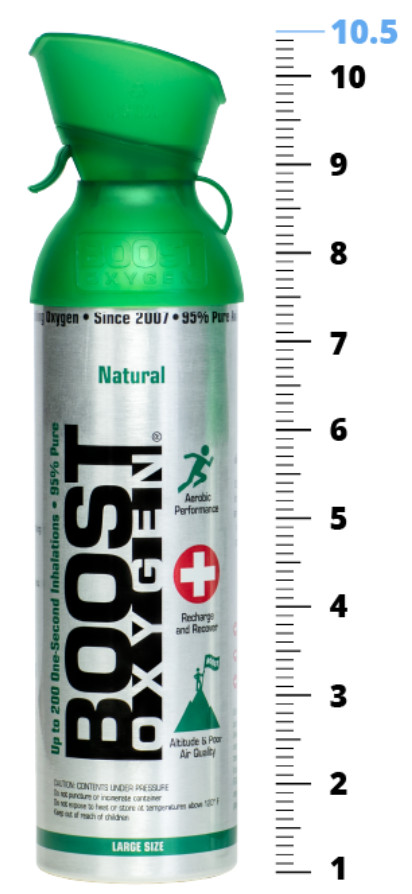
For some individuals—especially at higher elevations or during strenuous activity—supplemental oxygen like Boost Oxygen may help provide temporary respiratory comfort and help support recovery between periods of exertion, or if you’re experiencing temporary oxygen insufficiency.
Portable oxygen products like Boost Oxygen are commonly used by hikers, athletes, travelers, and those spending time at altitude.
Having breathing problems doesn’t mean you have to avoid exercise entirely. The right low-impact activities can help improve endurance, strengthen breathing muscles, and make everyday life feel easier.
Start slowly, stay consistent, and listen to your body. Even small steps can lead to meaningful improvements in how you breathe and feel.

Ideal para viajes rápidos al supermercado o comidas con amigos.
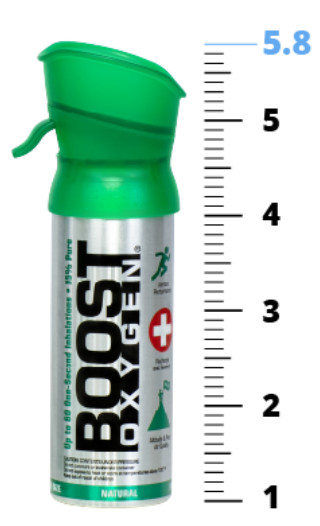
Ideal para el gimnasio, una caminata diaria, ejercicio al aire libre o una excursión de un día.
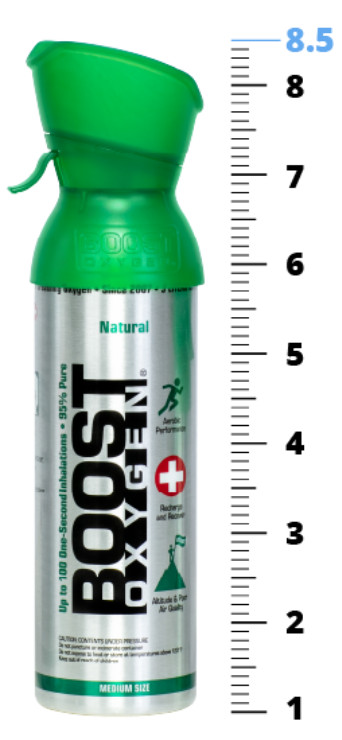
Ideal para uso doméstico semanal, acampadas, vacaciones, viajes largos y desplazamientos prolongados.