

Indoor air quality plays a bigger role in your health than most people realize. In fact, the average American spends over 80% of their time indoors, meaning the air inside your home can have a major impact on how you feel every day.

While many people associate air pollution with outdoor smog or traffic, indoor air can actually be more polluted than outdoor air—especially if it isn’t properly maintained.
In this guide, we’ll cover:
Poor indoor air quality can affect both your short-term comfort and long-term health.
Common indoor air pollutants include:
Over time, exposure to these pollutants can lead to:
Children, older adults, and individuals with respiratory issues are especially sensitive to poor air quality. In some cases, long-term exposure may lead to more serious health concerns.
Indoor air quality can also worsen during colder months, when windows stay closed and fresh air circulation is limited—trapping pollutants inside your home.
Improving your home’s air quality doesn’t have to be complicated. These simple steps can make a noticeable difference year-round.
Your HVAC system does more than heat and cool—it also filters the air.
Dirty filters can circulate pollutants and reduce system efficiency.
Dust and allergens build up quickly in carpets, furniture, and corners.
Keeping surfaces clean prevents pollutants from circulating in the air.
Air purification systems can help remove airborne irritants.
These tools are especially helpful in homes prone to moisture or allergens.
Even in extreme weather, occasional ventilation is essential.
Fresh air helps dilute indoor pollutants and improves overall air quality.
Clutter can trap dust, allergens, and pollutants.
Less clutter means fewer places for pollutants to collect.
Protect your home from harmful airborne toxins.
These steps are critical for long-term safety and air quality.
Too much moisture can lead to hidden pollutants.
Controlling moisture helps prevent mold and mildew growth.
When spring arrives, so do seasonal allergies.
Pollen levels rise, and many people experience:
At the same time, your body may require more oxygen as it responds to allergens or illness. This can leave you feeling tired, sluggish, or short of breath.
Your body relies on oxygen to fuel your brain, muscles, and organs. The air we breathe contains only about 21% oxygen, with the rest mostly nitrogen.
When air quality is poor—or when your body is under stress from allergens, illness, or environmental factors—you may not feel like you’re getting enough oxygen.
That’s where portable supplemental oxygen can help.
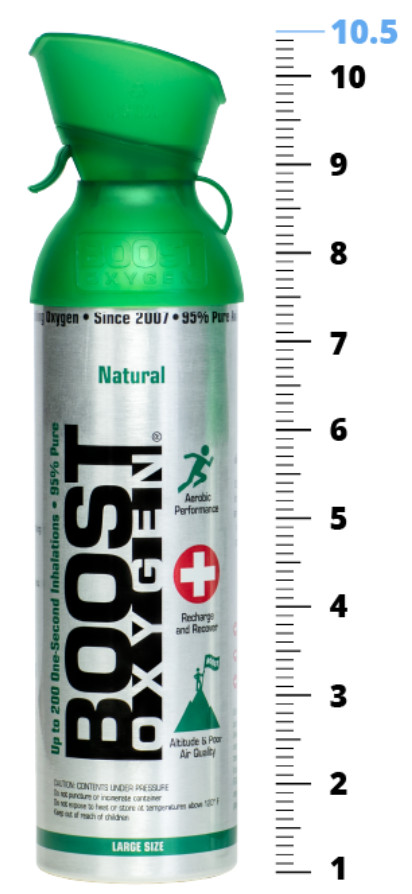
Boost Oxygen provides nearly 5X the concentration of oxygen compared to ambient air, offering a convenient way to support your breathing indoors or on the go.
Improving indoor air quality is one of the easiest ways to support your overall health and well-being.
By taking simple steps like:
—you can create a healthier environment for yourself and your family.
And when you want an extra boost, supplemental oxygen can provide added respiratory support to help you feel more energized and breathe easier throughout the day.

Ideal for "on the go" quick trips to the grocery store or lunch with friends.
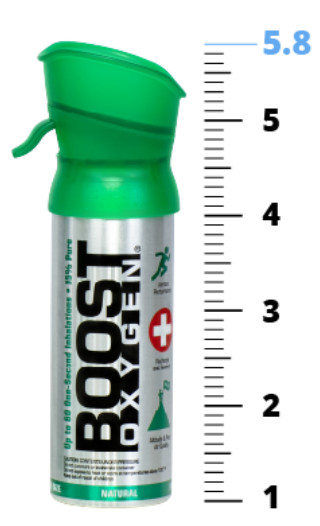
Ideal for the gym, a daily hike, outdoor exercise or a day trip.
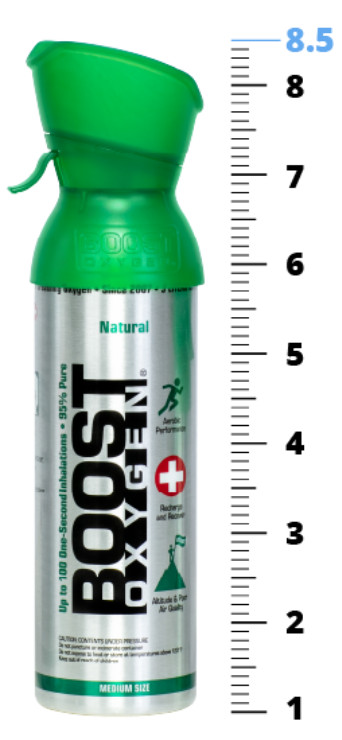
Ideal for weekly home use, camping, vacations, long trips and extended travel.